Home Page

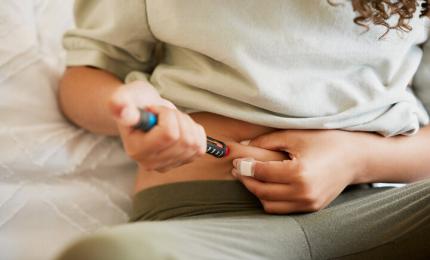
What Breastfeeding Moms Need to Know About Tirzepatide

Current evidence suggests that tirzepatide does not meaningfully transfer into breast milk. The larger concern during breastfeeding is not drug exposure, but reduced calorie and nutrient intake due to appetite suppression. If you have just delivered and are exclusively breastfeeding, starting a medication that significantly reduces appetite is usually not ideal — primarily for nutritional reasons rather than concerns about medication passing into milk. In contrast, if you are breastfeeding a toddler only a few times per day for comfort, overall risk is likely minimal because breast milk is no longer the child’s sole source of nutrition.
Platelet-Rich Plasma (PRP) Treatments and Breastfeeding
PRP is a minimally invasive treatment that harnesses your body’s own healing mechanisms to rejuvenate skin and stimulate hair growth. For breastfeeding mothers, current evidence is highly reassuring: ...
How to Report Infant Medication Side Effects from Breastfeeding
If you notice changes in your baby while breastfeeding on medication—even something as small as fussiness or diarrhea—it may be worth reporting. Many parents don’t realize that these experiences can b...
Cosmetic Fillers and Breastfeeding: What You Need to Know
Thinking about getting dermal fillers while breastfeeding? You’re not alone—many parents want to feel more like themselves after having a baby but also want to make safe, informed choices. This articl...

Research


Every year, the InfantRisk Center publishes studies on the transfer of various drugs into breast milk. We invite you to review these studies and consider participating in one of them. Participation is simple: you will need to collect samples of your breast milk at regular intervals, freeze them, and send them to our laboratories using prepaid overnight mailing. Your involvement will greatly contribute to our research and help ensure the safety of medications for breastfeeding mothers.


 

Participate in Research

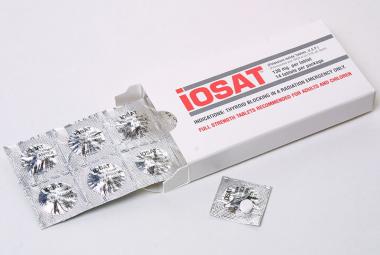
Potassium Iodide for Radiation Exposure

Potassium iodide was approved by the Food and Drug Administration(FDA) in 1982 for thyroid protection from radioactive iodine accidents.  Of the many radioactive elements released by nuclear accidents...

Antidepressant Use During Pregnancy and Breastfeeding

There has recently been a lot of discussion in the news about the potential hazards of taking antidepressants while pregnant. Some researchers are concerned that they increase the risk of birth defect...

Bright Light Therapy for Depression

Some people dread the change of seasons. Shorter, darker days mean fatigue, oversleeping, too many carbs, and having a general sense of malaise: a pattern known as seasonal affective disorder (SAD). S...

Bisphenol A Effects in Pregnancy

Bisphenol A (BPA) is a chemical commonly found in mass-produced plastics. Recently, there is rising concern over whether or not BPA found in plastic may lead to untoward effects. Due to the prevalence...

Breastfeeding Protects Against Infection

Results of a new study have just been released regarding breastfeeding and its confirmed protective effect against infections. This is very exciting and up-to-date news. While we all know by know that...

Skin-to-Skin Contact

Initiation of breastfeeding as early as possible is beneficial for the mother and the child, (short-term and long-term); this view is now commonly accepted and commonly practiced. Skin-to-skin contact...

Nipple Piercing Effects

Although it is currently thought that nipple piercing for the most part does not affect milk supply in a breastfeeding woman, there are case reports that show that trauma caused by nipple piercing can...

Myasthenia Gravis in Pregnancy

Myasthenia Gravis is an autoimmune neuromuscular disorder that can cause weakness and fatigability. It is caused by antibodies that block the acetylcholine receptors at the post-synaptic junction. Its...