Home Page

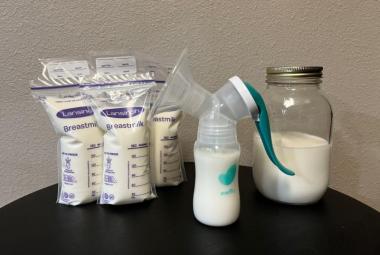
Why Does Breast Milk Change Color: What Moms Told Us And What We Explored In The Lab

Breast milk can come in a range of colors, including pink, yellow, and even “neon,” which can be surprising for many parents. In this study, we explored what moms are seeing and tested possible explanations in the lab. Our findings show that even small changes, like tiny amounts of blood or certain vitamins, can significantly affect milk color, and most changes are harmless. Understanding the context behind these changes can help reduce unnecessary worry and guide appropriate care.
Recall Reality: The Hidden Gamble in Your Vitamin Cabinet
Dietary supplements are widely used by breastfeeding women, yet many lack proven safety, efficacy, and consistent quality due to limited regulatory oversight. Variability in product content, misleadin...
What Breastfeeding Moms Need to Know About Tirzepatide
Current evidence suggests that tirzepatide does not meaningfully transfer into breast milk. The larger concern during breastfeeding is not drug exposure, but reduced calorie and nutrient intake due to...
Platelet-Rich Plasma (PRP) Treatments and Breastfeeding
PRP is a minimally invasive treatment that harnesses your body’s own healing mechanisms to rejuvenate skin and stimulate hair growth. For breastfeeding mothers, current evidence is highly reassuring: ...

Research


Every year, the InfantRisk Center publishes studies on the transfer of various drugs into breast milk. We invite you to review these studies and consider participating in one of them. Participation is simple: you will need to collect samples of your breast milk at regular intervals, freeze them, and send them to our laboratories using prepaid overnight mailing. Your involvement will greatly contribute to our research and help ensure the safety of medications for breastfeeding mothers.


 

Participate in Research

Choline During Pregnancy and Lactation

Choline has become a “hot topic” for nutrition in pregnancy. Data suggests that most pregnant women in the U.S. don't get enough. Are you getting enough?

What is the Pitcher Method for storing breastmilk?

Everything you need to know to decide if the Pitcher Method could be a good choice to manage your pumped milk. Benefits, Challenges, Safety, and Guidelines.

Medication-Assisted Treatment for Opioid Use Disorder in Pregnancy and Breastfeeding

If you're a mom addicted to opioids during pregnancy or while breastfeeding, there are treatments available to help you reach recovery and protect your baby!

Boric Acid for Recurrent Vaginal Infections

When a mom develops a recurrent vaginal infection and resistance to first-line agents, she has limited options. Is boric acid safe to use in lactating mothers with treatment-resistant vaginal infectio...

Our Statement on Monkeypox: Infection, Vaccines, and Treatment for Pregnant or Breastfeeding Women

Monkeypox is an infection that requires special consideration during pregnancy and breastfeeding: it is expected to transfer into breastmilk, and fetal infections have been reported (vertical transmis...

Vitamin D Supplementation and Breastfeeding

Breast milk is the optimal source of nutrition for infants that are essential for growth and development, however, breast milk typically contains an insufficient amount of vitamin D for breastfed infa...

Antidepressant Use During Pregnancy

It is common for pregnant women to want to put their baby’s health before their own, but in the case of depression lack of treatment can also pose risks. The benefits of treating depression often outw...

Antidepressant Use While Breastfeeding: What should I know?

The postpartum period can be a magical time when a mom finally gets to meet and spend time with their new baby. However, this time can also be challenging for many mothers.

Alcohol & Breastfeeding: What’s your time-to-zero?

Drinking alcohol doesn't have to be a barrier to safe breastfeeding. Use our calculator to find out how long it will take for alcohol to be eliminated from your breastmilk.