
Cough & Cold Medications while Breastfeeding

In this article you will find information about cold and flu medication and supplement safety during lactation.
Recall Reality: The Hidden Gamble in Your Vitamin Cabinet
Dietary supplements are widely used by breastfeeding women, yet many lack proven safety, efficacy, and consistent quality due to limited regulatory oversight. Variability in product content, misleading labeling, and reactive (rather than proactive) FDA oversight mean that consumers may unknowingly be exposed to ineffective or even harmful products. While third-party certification can help mitigate some risk, supplement use in lactation should be approached with caution, as product safety cannot be assumed based on labeling or “natural” claims alone.
What Breastfeeding Moms Need to Know About Tirzepatide
Current evidence suggests that tirzepatide does not meaningfully transfer into breast milk. The larger concern during breastfeeding is not drug exposure, but reduced calorie and nutrient intake due to appetite suppression. If you have just delivered and are exclusively breastfeeding, starting a medication that significantly reduces appetite is usually not ideal — primarily for nutritional reasons rather than concerns about medication passing into milk. In contrast, if you are breastfeeding a toddler only a few times per day for comfort, overall risk is likely minimal because breast milk is no longer the child’s sole source of nutrition.
Platelet-Rich Plasma (PRP) Treatments and Breastfeeding
PRP is a minimally invasive treatment that harnesses your body’s own healing mechanisms to rejuvenate skin and stimulate hair growth. For breastfeeding mothers, current evidence is highly reassuring: there are no known risks to infants, and complications are rare when PRP is prepared and administered under proper medical supervision. While research in lactating women is still limited, PRP stands out as one of the most biologically compatible and low-risk cosmetic treatments available.
How to Report Infant Medication Side Effects from Breastfeeding
If you notice changes in your baby while breastfeeding on medication—even something as small as fussiness or diarrhea—it may be worth reporting. Many parents don’t realize that these experiences can be shared with regulatory bodies (like the FDA through the MedWatch program). These agencies monitor for patterns in reporting, helping improve medication safety and protect other families. Your report could make a difference.
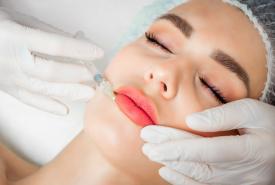
Cosmetic Fillers and Breastfeeding: What You Need to Know
Thinking about getting dermal fillers while breastfeeding? You’re not alone—many parents want to feel more like themselves after having a baby but also want to make safe, informed choices. This article breaks down what we know about the safety of cosmetic fillers during lactation, including how they work, whether they get into breast milk, and what to consider if you’re thinking about treatment.
Microneedling While Breastfeeding: What You Need to Know
Microneedling is a popular skincare treatment used to improve things like fine lines, acne scars, and uneven skin tone. If you’re breastfeeding and considering microneedling, you might be wondering if it’s safe. This article breaks it all down—what microneedling is, why so many people love it, and how to navigate the process safely while lactating. We’re here to help you make informed, confident choices for both your skin and your baby.
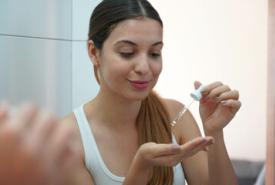
Retinoid Skincare and Nursing: What New Moms Should Know
Retinoids are widely recognized as one of the most effective ingredients in dermatology, commonly used to treat acne, signs of aging, and other skin conditions. Whether you're browsing over-the-counter (OTC) skincare or have been prescribed something stronger, it’s important to understand the differences between types of retinoids—and what you need to consider when breastfeeding.
Collagen Use While Breastfeeding: What You Need to Know
Collagen supplements are growing in popularity for their potential benefits to skin and joint health—but many breastfeeding parents are unsure whether they're safe to use while nursing. Here's what the research says to help you make an informed choice.
MMR Vaccine in Lactation
The MMR vaccine is the best known way to prevent severe cases of measles. Measles is contagious to both vaccinated and unvaccinated individuals. Evidence supports that those who do receive the MMR vaccine are less likely to develop severe illness and complications associated with the measles virus. The MMR vaccine is compatible with breastfeeding. Research is currently being done to determine if antibodies increase in milk that may be beneficial to breastfed infants who are too young to receive the MMR vaccine themselves.
Subscribe to