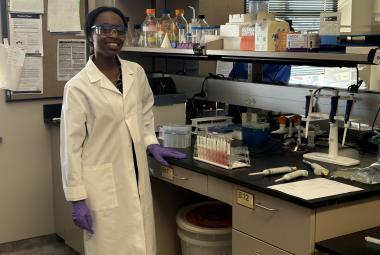


Home Page
The Global Authority in Lactation Pharmacology
Expert Guidance for Medications During Breastfeeding & Pregnancy
When clinicians, researchers, pharmaceutical companies, and government agencies need answers about medication safety during lactation, they turn to InfantRisk. We maintain Hale's Medications and Mothers' Milk, the standard reference in the field; operate a helpline that has answered more than 160,000 clinician and parent calls; and conduct the drug-in-milk studies that shape clinical guidance worldwide.
Peer-reviewed science
Research & Publications
We study how medications transfer into breast milk, so clinicians and families can make informed, evidence-based decisions. Every finding is peer-reviewed and published in indexed medical journals.
Contribute to our Research
Breastfeeding mothers can help by donating milk samples to active drug transfer studies. Prepaid overnight shipping provided.

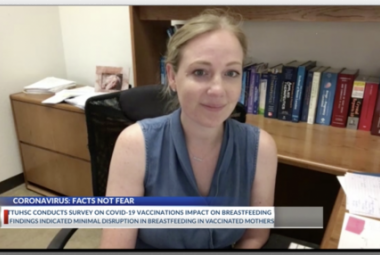

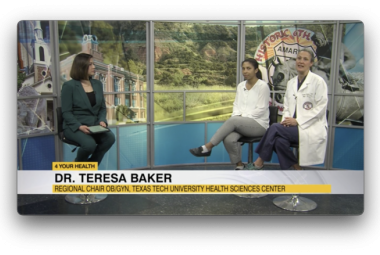

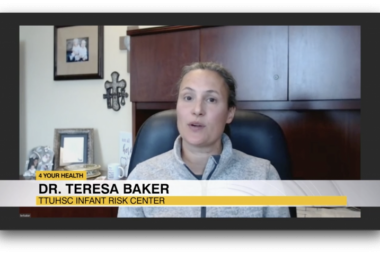

Latest from the InfantRisk Center
Recent Publications & Clinical Reviews
Our research doesn't stop at the journal. These articles translate InfantRisk Center findings and peer-reviewed literature into accessible guidance for patients, clinicians, and lactation specialists — original science, clearly explained.