
-
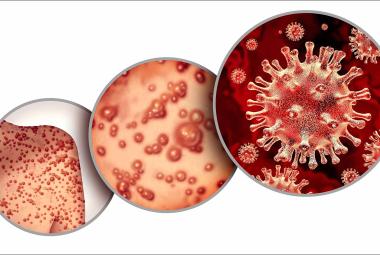
09.14.2011Not only is the influenza vaccine approved for use in pregnancy, it is recommended that all women who are pregnant or thinking about getting pregnant during the influenza season (October-March) be vaccinated. The influenza vaccine that will be...
-
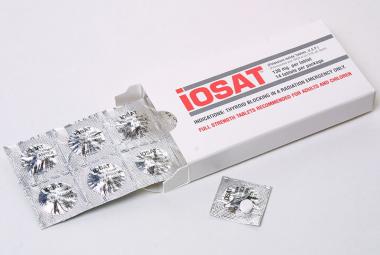
03.17.2011Potassium iodide was approved by the Food and Drug Administration(FDA) in 1982 for thyroid protection from radioactive iodine accidents. Of the many radioactive elements released by nuclear accidents, radioactive Iodine-131 is a major...
-
01.03.2011NEW WEBFORUM: The new webforums consist of two sections, one is the standard drug section where we only permit healthcare professionals to ASK questions, but all can review them. As with my former webforum, we...
-
08.03.2010Head lice during pregnancy and breastfeeding can be treated with pediculicides including permethrin, malathion, and ivermectin. There are studies providing evidence that these agents do not increase the risk of birth defects. 1-3 Therefore, the...
-
08.01.2010Nausea and vomiting of pregnancy (NVP) also known as “morning sickness” is one of the most common conditions of pregnancy that affect approximately 80% of pregnant women. Although the cause is still unknown (many...
|
09.14.2011
Not only is the influenza vaccine approved for use in pregnancy, it is recommended that all women who are pregnant or thinking about getting pregnant during the influenza season (October-March) be vaccinated. The influenza vaccine that will... |
03.17.2011
Potassium iodide was approved by the Food and Drug Administration(FDA) in 1982 for thyroid protection from radioactive iodine accidents. Of the many radioactive elements released by nuclear accidents, radioactive Iodine-131 is a major... |
01.03.2011
NEW WEBFORUM: The new webforums consist of two sections, one is the standard drug section where we only permit healthcare professionals to ASK questions, but all can review them. As with my former... |
|
08.03.2010
Head lice during pregnancy and breastfeeding can be treated with pediculicides including permethrin, malathion, and ivermectin. There are studies providing evidence that these agents do not increase the risk of birth defects. 1-3 ... |

08.01.2010
Nausea and vomiting of pregnancy (NVP) also known as “morning sickness” is one of the most common conditions of pregnancy that affect approximately 80% of pregnant women. Although the cause is... |

06.22.2010
Depression is a condition that affects women, during their reproductive years, twice as often as men. (1) It is important for women who are experiencing depression during pregnancy to get help since it has been shown that depression can not... |

|
06.03.2010
Hypertension that develops during pregnancy is known as gestational hypertension. Gestational hypertension is defined as a systolic blood pressure equal to or greater than 140 mmHg and/or a diastolic blood pressure equal to or greater than 90... |

06.03.2010
Medical conditions that can cause complications to an expectant mother and her fetus include diabetes, high blood pressure, seizures, heart disease, and obesity. It is important for a woman who is trying to conceive to get any health... |
06.03.2010
Influenza is a viral infection that affects the respiratory tract. It is especially risky in pregnant women and increases the risk of premature delivery, abortion, and stillbirth. (1) Pregnant women are also at an increased risk of... |
|
06.03.2010
Gastroesophageal reflux disease (GERD) occurs in up to 80% or more of pregnant women. GERD is brought about by relaxation of the lower esophageal sphincter which results in lower pressure between the esophagus and the stomach causing stomach... |
06.03.2010
Myasthenia Gravis is an autoimmune neuromuscular disorder that can cause weakness and fatigability. It is caused by antibodies that block the acetylcholine receptors at the post-synaptic junction. Its treatment consists mostly of cholinesterase... |
06.03.2010
Although it is recommended to avoid the unnecessary use of drugs during pregnancy, approximately 90% of women take some form of drug while pregnant. These drugs include alcohol, over-the-counter medicines, and prescription drugs. Approximately... |
|
06.03.2010
Current medical practice recommends that pregnant women should most assuredly engage in some sort of exercise regimen while pregnant. Yet what is the effect of exercise on pregnancy? Exercising during pregnancy is good for the mother; there... |
06.03.2010
Inflammatory bowel disease (IBD) refers to two diseases: ulcerative colitis and Crohn’s disease. Both are chronic diseases causing inflammation of the bowel. Although they vary in peak incidence, Crohn’s disease and ulcerative... |
06.03.2010
Women infected with HIV can transmit the virus to their child during pregnancy, at delivery, or through breastfeeding. There are ways to decrease the mother-to-child transmission of HIV. Three ways to prevent this transmission is through... |
|
06.03.2010
Due to the widespread prevalence of cell phone usage, it is pertinent that pregnant women are informed of any significant risks involving usage, to either themselves or the fetus. The good news is there is no solid evidence that cell phone... |
06.03.2010
Multiple Sclerosis, a progressive autoimmune disease that affects the central nervous system, occurs as a result of demyelination of the sheath that covers the nerve cells. This in turn causes slowing of nerve impulses and a variety of signs... |
06.03.2010
It is important that all women who are pregnant and will be pregnant during the influenza (flu) season get vaccinated against the flu. Live virus vaccines seem to pose the greatest risk to pregnant women and their unborn infants.... |
|
06.03.2010
Dental care is extremely important during pregnancy. Pregnant women have elevated levels of estrogen and progesterone. These hormones cause the gums to be more sensitive to the bacteria that is found in plaque and can lead to a condition known... |
06.03.2010
During pregnancy there is an increased demand for certain vitamins and nutrients to ensure proper and adequate growth of the fetus. Prenatal vitamins generally contain higher levels of folic acid, iron, and calcium to meet this increased need... |
06.03.2010
The common cold is a viral infection of the upper respiratory system. Some of the symptoms of the common cold include cough, sneezing, sore throat, nasal discharge or nasal stuffiness.... |
|
06.03.2010
Folic acid is a vitamin essential to humans. It is required for DNA synthesis and other important metabolic processes. Folic acid is found in foods such as grains, green vegetables, beans, and meats. Although it can be obtained through many of... |
06.03.2010
Although most radiological procedures do not increase the risk of congenital malformations during pregnancy, any procedure that is not essential during pregnancy should be delayed until after delivery. Radiological procedures may be classified... |
06.03.2010
Due to unfortunate circumstances, the reckless use of tear gas for crowd control has been employed with blatant disregard over the safety of anyone caught amongst the impending chaos. Though we at the Infant Risk Center sincerely wish that no... |
|
06.03.2010
Analgesics are drugs that are used to relieve pain. Analgesic drugs typically cross the placenta and if given at high doses can lead to respiratory compromise in the newborn. These drugs, which include opioids and other local anesthetics,... |
06.03.2010
Opioid use during pregnancy can lead to premature delivery of the infant and it can also cause neonatal respiratory depression. Babies born to mothers who use opioids (particularly heroin) tend to be of low birth weight. More importantly, long-... |
06.03.2010
Caffeine is a common drug found in many of the products we consume daily. These include coffee, sodas, tea, and chocolate. Although studies have shown that consuming small amounts of caffeine during pregnancy has little effect on the fetus,... |
|
06.03.2010
The use of alcohol during pregnancy can cause serious consequences to the fetus and is one of the leading causes of congenital malformations. Unfortunately, we don’t know how much alcohol is needed for the development of fetal alcohol... |
06.02.2010
Sunscreen is safe to use during pregnancy and it is actually recommended for all women exposed to direct sunlight for more than 20 minutes a day. The American College of Obstetricians and Gynecologists recommends for pregnant women to protect... |
06.02.2010
Air travel is safe in pregnancy especially if completed during the second trimester. During the second trimester, the risk for spontaneous abortions and pre-term labor are very low. (1) This being said, it is important that you speak... |
|
06.02.2010
Many women are concerned about using insect repellents during pregnancy, however, mosquito borne illnesses can be dangerous during pregnancy. Two examples of mosquito transmitted illnesses are malaria and the west nile virus. Both can be... |
06.02.2010
Cocaine is a local anesthetic as well as a CNS stimulant. It can either be inhaled or in the case of crack, smoked. Use of cocaine during pregnancy is associated with premature birth, IUGR, placental abruption, and low birth weight. (1)... |
06.02.2010
There are many viral infections that are mostly common in young children that can affect women if they are acquired during pregnancy. These include, but are not limited to, CMV (cytomegalovirus), parvovirus B19, varicella zoster virus, and... |
|
06.02.2010
Studies show that the use of hair products during pregnancy does not increase the risk of adverse fetal effects compared with the general population. (1) It is estimated that having hair treatments 3 to 4 times during pregnancy is pretty... |
06.02.2010
Although malaria is not endemic to the US, many US travelers are affected by this illness when traveling to places such as sub-Saharan Africa and Central and South America. Malaria has been shown to cause maternal anemia, premature birth, and... |
06.02.2010
The use of marijuana in pregnancy is not recommended. Research indicates that the active chemical delta-9-tetrahydrocannabinol or THC readily crosses the placenta. (1) It has been suggested that regular use of marijuana can lead to low birth... |
|
06.02.2010
Rubella, also known as the German Measles, is a viral illness. If the infection occurs during pregnancy, it can result in what is known as congenital rubella syndrome (CRS). Women in their first trimester of pregnancy are at greatest risk of... |
06.02.2010
In the past, any exposure to lead during pregnancy was thought to lead to miscarriages and premature births. However, one important thing to note is that the effects of lead are directly related to the levels of lead in the blood.... |
06.02.2010
While migraines are quite common (15-17% of women), the general consensus is that migraines tend to get better during pregnancy, especially during the second and third trimester (60-70% improvement). However, there are some reports of women... |
|
06.02.2010
Smoking during pregnancy continues to be a problem with the biggest effect being infants born with low birth weights. Also, these infants are at a higher risk of SIDS (Sudden Infant Death Syndrome). It has been said that children of... |
03.26.2010
Constipation is a common problem in pregnant women with the prevalence ranging from 11-38%. (1) The causes of constipation in pregnancy are numerous: anxiety, lack of exercise, and lack of fiber in the diet. Identifying the cause and... |
03.26.2010
Codeine is one of the most commonly used analgesics in the world. But interestingly it is not biologically active itself. Instead, it must be metabolized by the liver to its more active form, morphine. In most individuals, about 7% of codeine... |
|
03.08.2010
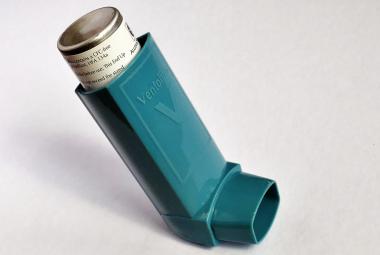
Asthma is a chronic medical condition that is characterized by airway inflammation, hyperresponsiveness, and reversible airway obstruction. It is one of the most common medical conditions that can complicate a... |