
Gastroesophageal reflux is a back flow of stomach contents into the esophagus. This phenomenon occurs in virtually everyone from time to time. The sphincter muscle that divides the esophagus from the stomach must open periodically to allow food and saliva entry into the stomach, and is not always able to close again quickly. When stomach acids enter the esophagus frequently or chronically, the irritation feels like a burning or pinching pain behind the breastbone or in the middle of the back called heartburn. Severe reflux can even feel like a heart attack. Frequent heartburn (more than once per week) is one sign of gastroesophageal reflux disease (GERD). Other symptoms include a sour taste in the mouth, abdominal bloating, belching, and early morning post-nasal drip.
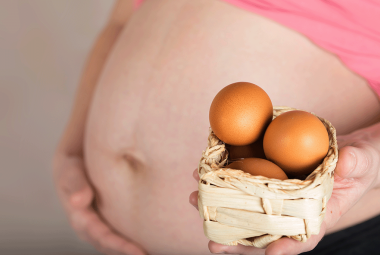
GERD is especially common in pregnant women, affecting about 80% of patients. The gut is more active in pregnant women and the sphincter is more relaxed due to the influence of maternal hormones. Also, the enlarged uterus presses on the stomach, driving contents upward.1
In addition to many available prescription and over-the-counter medications, some life-style modifications2 may contribute to symptomatic relief. A consistent reduction in acid reflux will allow the esophagus to heal and become less sensitive.
- Especially in individuals who have symptoms at night or in the throat (e.g. hoarseness, throat clearing), elevation of the head of the bed by 6-8 inches may be helpful. Placing blocks under the bed legs or a foam wedge under the mattress is all that is needed.
- Avoid eating anything for 2-3 hours before lying down in bed. Most of the stomach contents will have been emptied by that time.
- Weight loss decreases pressure on the stomach. While this may not be practical during pregnancy, non-pregnant patients are encouraged to maintain a healthy weight.
- Only a handful of foods actually act directly on the sphincter to relax it and worsen reflux. Peppermint oil, tomatoes, caffeine, and chocolate have all been shown to have this effect. Elimination of these foods from the diet, at least temporarily, should lessen reflux.
- A much wider variety of foods can irritate an already inflamed esophagus and contribute to the discomfort of heartburn. Typical examples are fatty foods, spicy foods, hot beverages, carbonated beverages, alcohol, and citrus juices. A fully healed esophagus is much less sensitive to these foods. Consider the selective elimination of any dietary triggers that cause heartburn until the underlying disease is resolved.
James Abbey, MD
Maria Milla, MD.
Thomas W. Hale, Ph.D.
References:
- Ali RA, Egan LJ. Gastroesophageal reflux disease in pregnancy. Best practice & research. Clinical gastroenterology. 2007;21(5):793-806.
- DeVault KR, Castell DO, American College of G. Updated guidelines for the diagnosis and treatment of gastroesophageal reflux disease. The American journal of gastroenterology. Jan 2005;100(1):190-200.